Peace Love Flip Flops Photo Frame Shadow: A Practical Guide to Layered Shadow Box Projects
For crafters and makers who utilize laser engraving systems like Glow Forge, xTool, or OM Tech, the transition from simple cutting projects to complex, multi-layered assemblies often marks a significant step in skill development. The Peace Love Flip Flops Photo Frame Shadow design represents one such project, offering a unique blend of retro aesthetics and functional memory keeping. Unlike standard flat photo frames, this design utilizes depth and layering to create a three-dimensional visual effect that draws the eye and adds texture to home decor. This guide explores the mechanics of the project, its compatibility with various tools, and how it compares to other framing options available in the digital download market.
Understanding the Layered Shadow Box Concept
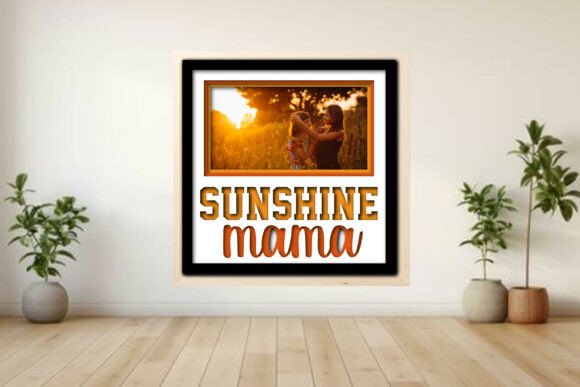
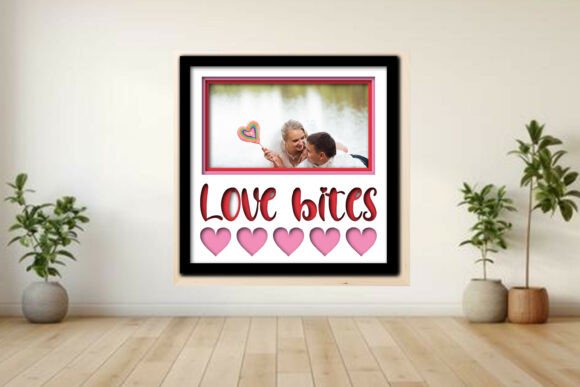
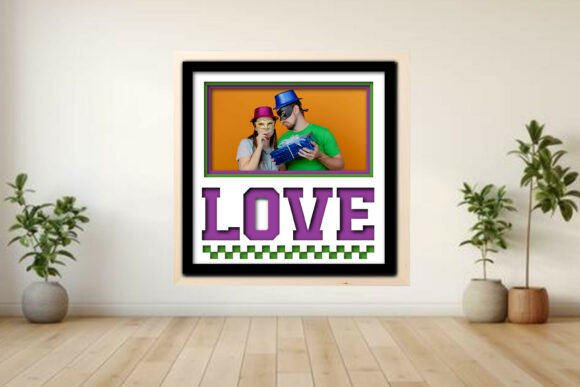
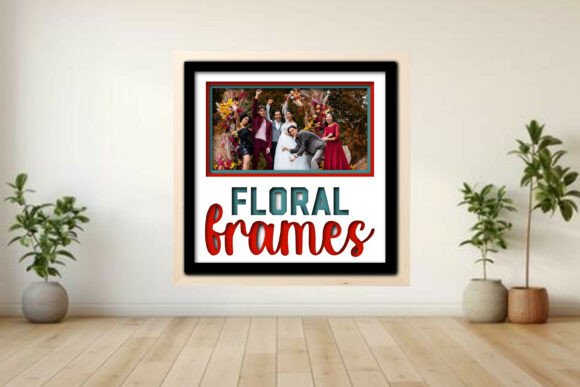
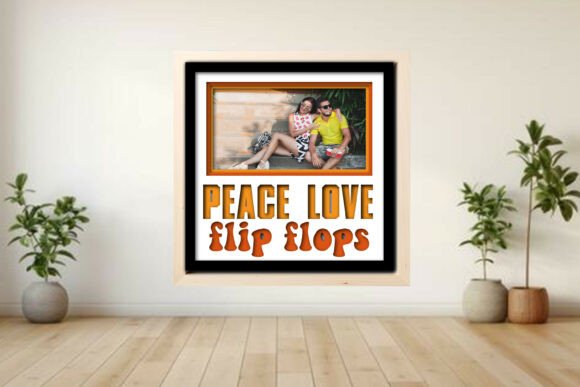
The core distinction of the Peace Love Flip Flops Photo Frame Shadow lies in its construction method. Traditional framing typically involves a single piece of matting or a solid backing behind a photograph. In contrast, a shadow box approach separates the image into distinct planes. This specific design breaks down into multiple components: a backer, a frame mat, thematic accents like the "Santa squad" (often adaptable for other themes), tree elements, and star details. By stacking these layers with spacers or adhesive foam, the final product gains a sense of volume that flat prints cannot achieve.
This layered technique is particularly effective for holiday decor or seasonal displays. The flip-flop motif, combined with peace and love symbols, evokes a relaxed, nostalgic summer vibe that can be juxtaposed against winter holidays or used as a year-round tribute to vacation memories. The design allows users to insert personal photographs into designated slots, making each finished piece unique. Whether you choose a layout for a single large photo or a collage of six smaller images, the structural integrity of the frame relies on precise cuts and clean edges, which is where the choice of machine and material becomes critical.
Compatibility Across Laser and Cutting Platforms
One of the primary advantages of the Peace Love Flip Flops Photo Frame Shadow is its broad file compatibility. Digital crafting has evolved to support a wide ecosystem of hardware, and this project is designed to bridge the gap between laser engravers and vinyl cutters. For owners of CO2 laser machines such as the Glow Forge, xTool, or OM Tech, the design includes vector files optimized for cutting and engraving. These machines excel at burning intricate details into wood or acrylic, creating the color-coded effects described in the project specifications.
Color-coding is a vital feature for efficiency. The files are organized so that red lines indicate cut paths, blue lines represent score lines for folding, and black lines denote areas for engraving. When loaded into software like LightBurn, this organization streamlines the workflow, reducing the need for manual adjustments. However, for users without a laser cutter, the design remains accessible through Cricut or Silhouette Cameo machines. While these die-cutters cannot engrave, they can effectively cut the outer shapes and score lines if the material thickness is appropriate. This flexibility ensures that the project is not exclusive to high-end laser owners but is also viable for hobbyists using entry-level cutting tools.
Evaluating Materials and Machine Settings
The success of any layered shadow box project hinges on material selection. The Peace Love Flip Flops Photo Frame Shadow is frequently tested on 3 mm plywood, a thickness that offers a balance between rigidity and ease of cutting. Plywood provides a natural, rustic aesthetic that complements the retro theme of the design. However, makers must recognize that settings vary significantly by machine. A power setting that works perfectly on an xTool D1 may scorch the wood on a Glow Forge or fail to penetrate entirely on a lower-wattage unit.
Before committing to a full run, it is essential to perform a material test. This involves cutting small squares of the intended wood to determine the optimal speed, power, and frequency. Engraving requires even more precision; too much power can burn through the material, while too little leaves the text or patterns faint. For those using vinyl cutters, the material choice shifts toward cardstock or thin basswood, which may lack the durability of plywood but offers a smoother finish for indoor display. Understanding these tradeoffs helps manage expectations regarding the final look and longevity of the frame.
Comparing Layout Options and Customization Potential
Flexibility in design is a major selling point for digital downloads. The Peace Love Flip Flops Photo Frame Shadow offers four distinct photo layouts: 1, 2, 3, or 6 photos. This variety addresses different use cases. A single-photo layout is ideal for a standout portrait or a cherished family snapshot, allowing the surrounding decorative elements to take center stage. Conversely, the six-photo layout transforms the frame into a collage, perfect for capturing a timeline of events, such as a week-long vacation or a series of holiday gatherings over the years.
When comparing this to static, pre-made frames found in retail stores, the digital download offers superior customization. Retail frames come in fixed sizes and limited styles, often forcing the user to crop photos awkwardly to fit. With this project, the dimensions are fully scalable. Users can adjust the size of the entire assembly to match their preferred photo aspect ratios or the physical space available on a mantle or shelf. This scalability extends to the decorative accents as well; the "Santa squad," trees, and stars can be resized or repositioned to alter the composition without compromising the structural integrity of the frame.
Assembly Considerations and Skill Requirements
While the cutting process is handled by the machine, the assembly phase requires manual dexterity and attention to detail. The project includes a simple assembly guide PDF, but the complexity arises from aligning multiple layers. Creating a convincing 3D effect demands that the backer, frame mat, and accent pieces sit flush with one another. Misalignment can result in gaps that detract from the professional appearance of the shadow box.
For beginners, this project serves as an excellent intermediate challenge. It introduces concepts like scoring, folding, and layering without requiring advanced woodworking skills. However, compared to simpler single-layer cutouts, the time investment is higher. Adhesive application must be precise to avoid warping the wood or leaving visible glue residue. Additionally, the inclusion of optional score and engrave lines means that the maker must decide whether to fold the frame or assemble it as separate panels, a decision that affects both the difficulty level and the final aesthetic.
Decision Factors: When This Project Fits Your Needs
Determining whether the Peace Love Flip Flops Photo Frame Shadow is the right choice depends on your current equipment, goals, and desired outcome. This project is an excellent fit for individuals who already own a laser cutter or a capable vinyl cutter and are looking to expand their portfolio beyond simple decals or coasters. It is particularly suitable for those seeking personalized gifts that carry a sentimental value, as the ability to incorporate specific photos makes the item irreplaceable.
However, there are scenarios where alternative options might be more practical. If you do not have access to cutting or engraving equipment, purchasing a pre-assembled shadow box frame might be more cost-effective, despite the lack of customization. Similarly, if your goal is mass production for resale, the manual assembly time required for each unit could impact profitability unless you have automated solutions for gluing and stacking. Furthermore, if you prefer a modern, minimalist aesthetic over the eclectic mix of flip flops and holiday motifs, other geometric or abstract shadow box designs might align better with your interior style.
Limitations and Realistic Expectations
It is important to approach this digital download with clear expectations. The product is a digital file only; no physical materials, photos, or mockups are included. The "mocks" seen in promotional images are examples created by the designer to demonstrate potential outcomes, not items you will receive. Additionally, the quality of the final product is directly tied to the quality of the input materials. Using warped plywood or low-resolution photos can diminish the impact of the layered design.
Another limitation is the learning curve associated with software setup. Users unfamiliar with LightBurn or similar vector editing software may find the initial configuration of color codes and layers challenging. While the files are provided in SVG, DXF, PDF, EPS, PNG, and LBRN2 formats, ensuring that the correct layers are assigned to the correct actions (cut vs. engrave) requires a basic understanding of how these programs function. Patience during the testing phase is crucial to avoiding wasted material.
Conclusion
The Peace Love Flip Flops Photo Frame Shadow stands out as a versatile project that bridges the gap between technical crafting and emotional storytelling. Its layered design offers a depth that traditional framing lacks, while its compatibility with a wide range of machines ensures accessibility for many makers. By weighing the benefits of customization and scalability against the requirements of manual assembly and machine proficiency, crafters can make an informed decision about whether this project aligns with their current capabilities and creative goals. For those ready to invest the time in mastering laser settings and layer alignment, the result is a charming, personalized piece of decor that celebrates memories in a uniquely tactile way.